





Leasing vs Buying
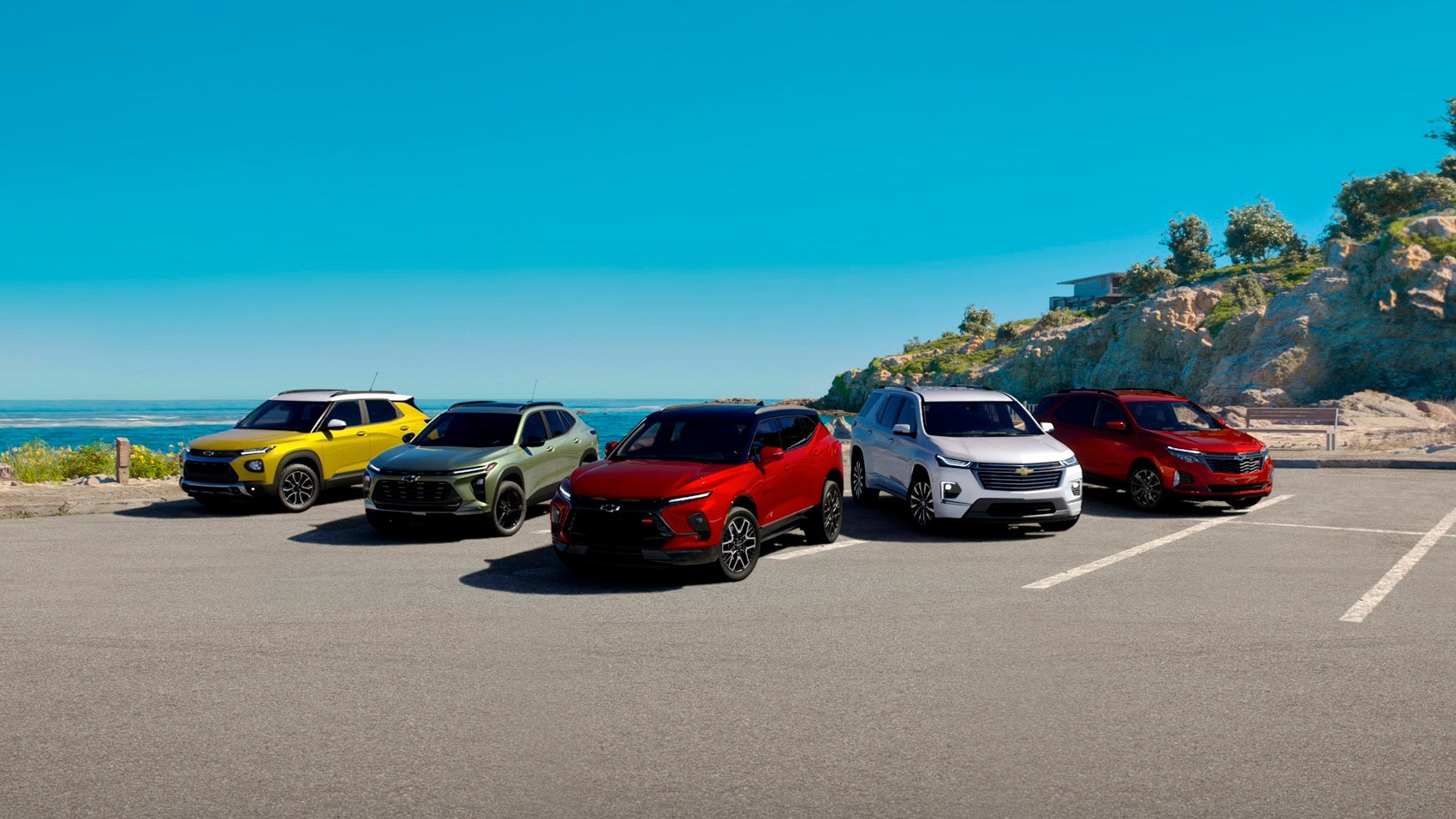
Shopping for a new Chevrolet is an exciting process as you choose your model, pick your trim, and even select the color. But once you’ve found the right vehicle, there’s still one big decision to make. That is, will you lease or buy your Chevy in Plainfield, Avon, and Indianapolis, Indiana?
Both options have distinct benefits, and the best choice depends on your budget, lifestyle, and long-term plans. Here's what you need to know to move forward with confidence in a Chevy from Andy Mohr Chevrolet.

Financing a Chevy: The Buying Route
When you finance a Chevy through a traditional auto loan, you’re working toward full ownership. That means once the loan is paid off, the vehicle is yours to keep, sell, or trade in as you wish. Many drivers like knowing their monthly payments are going toward something they’ll eventually own outright.
Most buyers put down about 10–20% of the vehicle’s cost upfront, though this can vary. Your credit score, income, and chosen loan term will affect your interest rate and monthly payments. For drivers planning to keep their Chevy for many years or put a lot of miles on it, buying often makes the most sense. You’re not locked into mileage limits, and there’s no need to return the vehicle after a few years.

How Leasing a Chevy Works
Leasing a Chevrolet is like getting a short-term upgrade. You’ll drive a new vehicle for a set period, which is usually 24 to 36 months, while only paying for the depreciation that occurs during that time. This structure often leads to lower monthly payments than buying, which is why many drivers appreciate the flexibility of a lease.
Upfront costs for a lease typically include your first month’s payment, registration fees, and a security deposit. You’re still responsible for insurance and maintenance, and most leases come with mileage limits.
That limit is usually between 10,000 and 15,000 miles per year, which falls within the average amount of miles U.S. drivers travel annually according to the Federal Highway Administration.* At the end of your lease term too, you have options: return your Chevy, lease another model, or buy out the vehicle if you’ve grown attached.
Key Differences Between Leasing and Buying a Chevrolet
When you buy your Chevy, you build equity and gain full control. That means no penalties for mileage or wear and tear, and no end-of-term requirements. It’s a great path if you’re planning to drive the same car for the long haul.
Leasing, however, gives you the benefit of always having something new in your driveway. You’ll have access to the latest Chevrolet technology, whether that’s a redesigned Trailblazer, the newest Silverado safety systems, or EV innovations. Plus, many leases are covered by the manufacturer’s warranty for the entire term, which adds peace of mind when it comes to repairs.
It’s also worth noting that Chevy lease terms may include certain lease-end charges. If you go over your mileage or return the vehicle with more wear than expected, you could face additional fees. And if you decide to end your lease early, there could be penalties, so it’s important to review your contract carefully.
Should I Lease or Buy My Chevrolet?
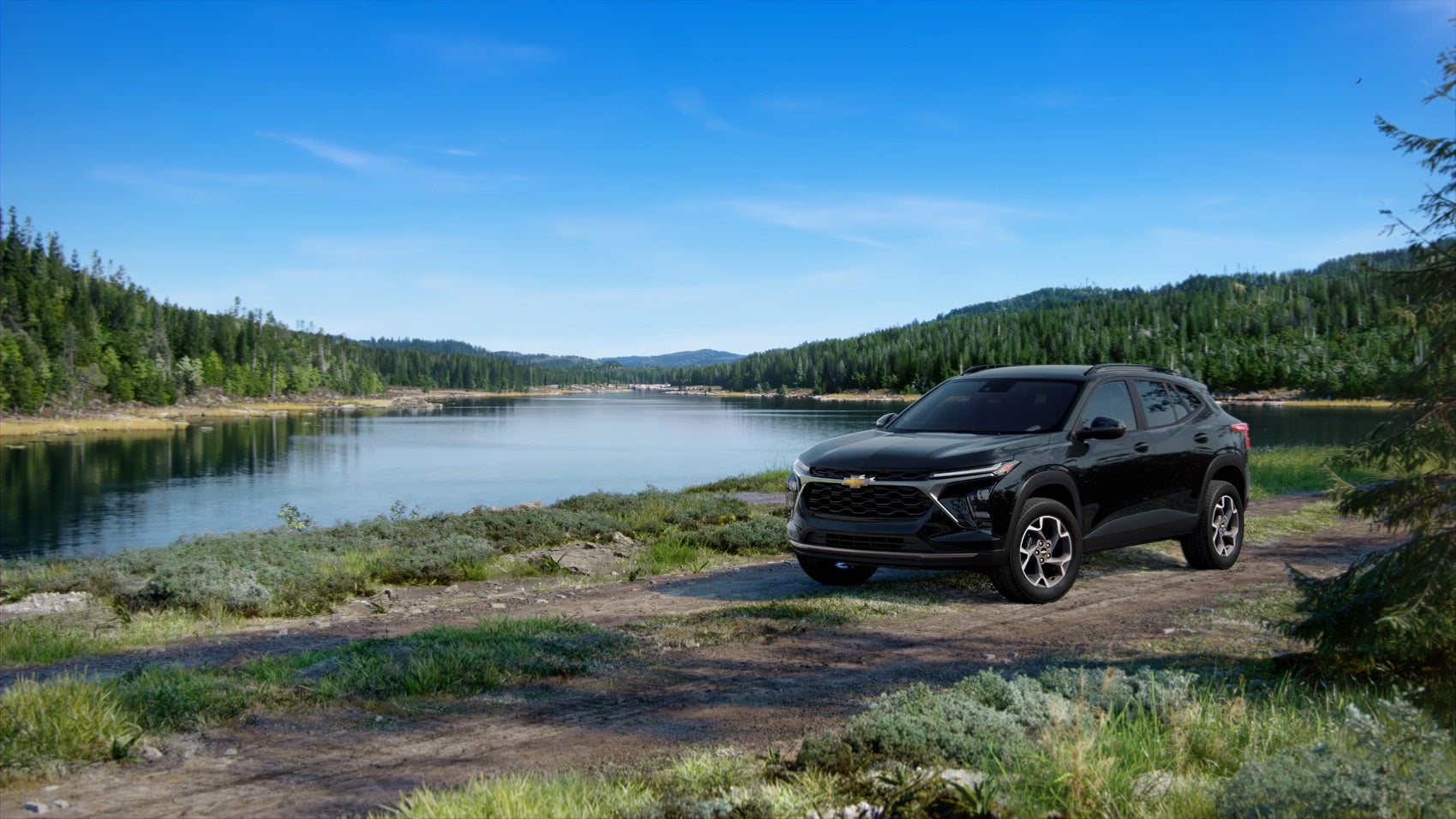
There’s no universal answer but asking the right questions can help you land on the option that truly fits your lifestyle. Leasing and buying both offer real advantages; it just depends on how you plan to use your next Chevy. Think through the following before you decide:
- How many miles do I drive in a typical year?
- Will I want to keep this vehicle long-term, or do I like upgrading every few years?
- How much can I comfortably put down upfront?
- What’s my monthly budget once I factor in things like gas, insurance, and maintenance?
- Am I going to stay within mileage limits and maintaining the vehicle carefully if I lease?
- Will my lifestyle change in the next few years like growing my family or changing jobs?
If you’re still not sure, that’s completely normal. Our Chevy finance specialists are here to walk you through both options, break down real costs, and help you make a smart, comfortable decision. Whether it’s a dependable Silverado for the long haul or a short-term lease on a tech-packed Blazer, we’ll find what fits.
Leasing vs Buying FAQs
Can I end my Chevrolet lease early, and what are the costs or penalties?
Yes, but early termination fees, remaining payments, and negative equity may apply. Always check your lease agreement.
What happens if I exceed the mileage limit on my Chevrolet lease?
You’ll be charged per excess mile at the rate outlined in your lease.
Are there additional wear-and-tear charges on my Chevrolet lease at turn-in?
Yes, if the vehicle has damage beyond normal use, you may face charges. A pre-inspection can help you avoid surprises.
What are my options at the end of my Chevrolet lease?
You can return the vehicle, lease a new Chevy, or purchase your current leased vehicle.
Where do I return my leased Chevrolet vehicle when the lease ends?
You can return your leased Chevy vehicle to us when your lease ends.
How can I obtain my Chevrolet lease buyout or payoff price? Can I extend my Chevrolet lease beyond the original term?
Contact our dealership for the current buyout or payoff amount. Lease extensions may be available, depending on your contract.
Can I extend my Chevrolet lease beyond the original term?
Yes, in many cases you can extend your Chevrolet lease, either month-to-month or for a set period. Our team can help you explore your extension options.
Learn More About Buying vs Leasing a Chevy Today
Once you decide on the perfect new Chevy car for your lifestyle around Plainfield, Indianapolis, and Avon, our team here at Andy Mohr Chevrolet will help you make a confident decision between buying vs. Leasing. We want nothing more than to see you behind the wheel of the new Chevy you want. Contact us today.